
Hard Hands in Blackjack: A Practical Approach for Australian Players
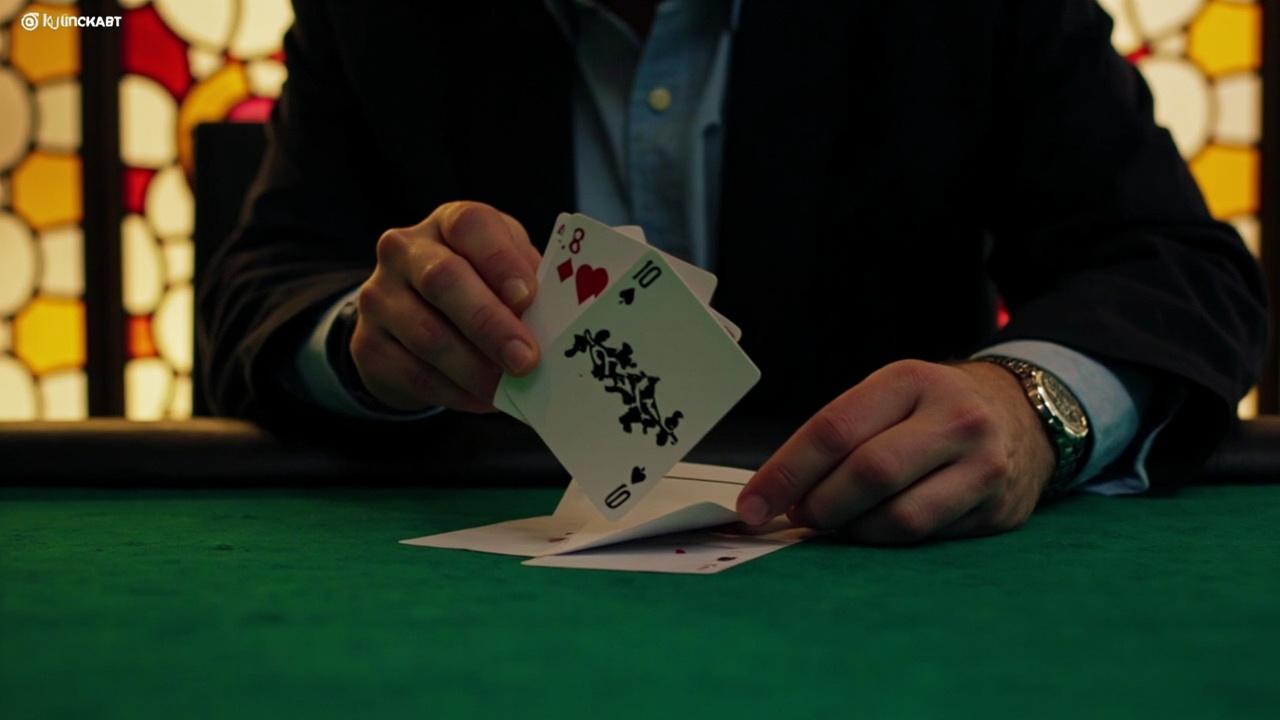
Blackjack rewards patience more than most table games, and that is exactly why a clear blackjack hard hands strategy matters before you place a single chip. A hard hand is any total without an ace, or with an ace you are counting as one, so there is no flexible value to rescue a weak start. The discipline is straightforward: know when to stand on a stubborn sixteen and when to hit a thin twelve, because the difference between a tidy session and a blown bankroll usually lives in those quiet decisions. You can practice that discipline at your own pace, and if you want to compare how other table games handle odds and pacing, you can visit spinago pokies for a look at how digital rooms present their offerings.
The core of any sensible blackjack hard hands strategy rests on a simple rule: when your total sits between twelve and sixteen, the dealer’s visible card decides most of the work. If the dealer shows a weak card like five or six, standing becomes the safer call because the house is more likely to bust on its own. When the dealer shows a strong seven through ace, hitting is usually the better path, since standing on a middling total hands the advantage straight back to the house. That logic is not glamorous, but it is the kind of governed decision-making I rely on when turning messy operational problems into repeatable workflows; you set the rule, you follow the rule, and you stop letting impulse rewrite the plan. The same thinking shows up when you read a payout table or a bonus term sheet: the numbers only help if you actually apply them consistently.
A beginner-friendly way to handle these totals is to treat each hand like a short checklist rather than a guess. First, look at your total and confirm there is no ace that can bend the value, because that single check changes the whole call. Second, glance at the dealer’s up-card and sort it into weak, neutral, or strong before you touch your chips. Third, if your total is twelve to sixteen and the dealer shows a weak card, stand and let the dealer do the work. Fourth, if the dealer shows a strong card, take the hit and accept that a hard total is always a trade-off between losing now and losing later. Fifth, keep your bets steady while you learn, because changing stakes to chase a bad run usually breaks the system faster than the cards do. That is the whole routine, and it is enough to keep a new player from making the most common mistakes.
The practical side of using this approach online comes down to interface and everyday usability, not just the maths on the felt. A well-built table should make the hand total, the dealer’s card, and the available actions obvious enough that you are not scanning a cluttered screen while the round is moving. Localisation matters here too: clear Australian English, sensible currency display, and navigation that does not hide basic controls behind layers of menus all make a real difference when you are trying to apply a plan under normal session pressure. You should be able to find bet sizing, rules, and help without feeling like you are working through a back-office portal, because a clean layout supports steady decisions and a messy one quietly encourages rushed ones.
Local conditions shape how this plays out in practice, and regional Queensland players often log on from places where the internet is not always as cooperative as a city cafe connection. A stable, readable table layout matters more when you are checking a hand from a regional Queensland town on a phone with a patchy signal, because every extra tap or ambiguous button costs attention you would rather spend on the hand itself. It helps to compare that kind of practical reliability to a very different kind of outback gathering, like the Birdsville Races, where the whole festival runs on timing, patience, and a casinoorocket.org clear sense of what each moment is actually for. Blackjack does not need that kind of spectacle, but it does reward the same habit of showing up prepared and sticking to a plan.spinago pokies
There are still honest limits to keep in mind, because no blackjack hard hands strategy removes the basic reality that the house keeps a mathematical edge and short sessions can still swing either way. A disciplined approach simply reduces the number of avoidable mistakes, which is a useful goal but not a promise of steady profit. The same caution applies to any bonus or promotion: read the terms, check the wagering conditions, and do not treat extra credit as if it changes the underlying odds of the game. Good delivery work in any regulated product starts with that kind of clear-eyed judgement, and the same standard belongs here, especially when you remember that online wagering is not licensed or regulated in Australia the way some players might assume.
A solid blackjack hard hands strategy is really just a way of keeping your decisions consistent when the cards are unhelpful and the temptation to improvise is strongest. Stand on the right weak totals, hit when the dealer is strong, and let the interface do its job by keeping the important information in front of you instead of buried in clutter. If you treat the game as a managed session rather than a quick fix, you give yourself a better chance of playing sensibly and walking away with your bankroll intact.